 Colorado Judicial Branch
Weld County

Weld County
Weld County Probation
-
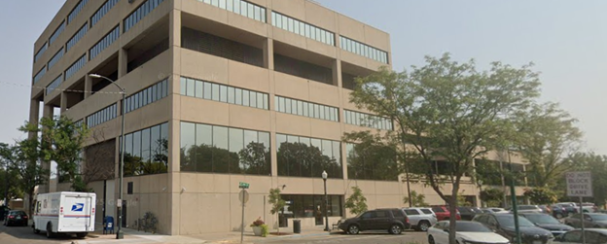 Greeley Probation Office
822 7th Street
Suite 200
Greeley, CO 80631
United States -
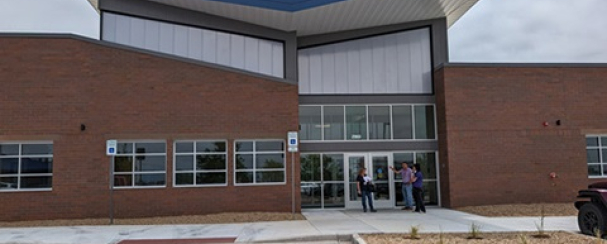 Fort Lupton Probation Office
2960 9th Street
Fort Lupton, CO 80621
United States
Highlights
19th Judicial District Probation Department - Weld County
The Weld County Probation Department serves all communities in Weld County. Probation works with the courts to support public safety and accountability by providing court-ordered services.
For more information, please contact the Weld County Probation Office at (970) 475-2800.
A list of Weld County Probation Officers and their contact information can be found here.
Are you on Probation and need to request a Travel Permit?
Click here to go to the form.
Chief Probation Officer
-
Primary Emailcory.flummerfelt@judicial.state.co.usPrimary Phone970-475-2844
Deputy Chief Probation Officer
-
Primary Phone(970) 475-2827
Probation Manager
-
Primary Emailsarah.schmitt@judicial.state.co.usPrimary Phone(970) 475-2838
Probation Programs in Weld County
Probation has two primary roles. The first is completing presentence investigations, which help the court understand the offense, the impact on victims and the community, information about the individual involved, and possible sentencing options. The second role is supervising individuals who have been placed on probation by the court, including both adults and juveniles.
The Weld County Probation Department’s goal is to promote accountability while supporting individuals in successfully completing probation and moving toward long-term stability.
Presentence Investigations
Presentence Investigations
In some cases, the court may order a presentence investigation prior to imposing a sentence in a criminal offense. This process is completed by a Probation Officer and involves gathering important information about the individual, including their background, service needs, risk of re-offense, and the impact of the offense on victims and the community.
The information collected helps the court make informed decisions about sentencing, probation conditions, and supervision plans. A written report is prepared and provided to the court, the district attorney, and the individual or their attorney at least three days before the sentencing hearing.
Intake Unit
Intake Unit
The Intake Unit is commonly the first point of contact for individuals placed on probation. During the intake process, Probation Officers review required paperwork and assessment information, explain the standard terms and conditions of probation supervision, and answer initial questions.
The Intake Unit also determines the appropriate level of supervision and assigns each case to a supervising Probation Officer to support successful compliance and accountability.
Adult Regular Supervision
Adult Regular Supervision
Individuals placed on Adult Regular Probation are assessed to identify their level of risk and individual needs, allowing supervision and services to be tailored to each person. Each individual is assigned a Probation Officer who helps them understand and comply with court-ordered conditions while also connecting them with community resources such as substance use evaluations and treatment, employment assistance, and other supportive services.
Through collaboration with their Probation Officer, individuals work to address risk factors and personal needs with the shared goal of reducing recidivism and supporting long-term success.
Juvenile Supervision
Juvenile Supervision
Juvenile probation supervision is a key component of the juvenile justice system, in which youth placed on court‑ordered probation are monitored by probation officers who specialize in working with minors. These officers manage caseloads involving a wide range of offenses and collaborate closely with DHS, school counselors, treatment providers, parents, foster homes, and other community resources to ensure the juvenile meets all probation requirements.
The supervision process supports accountability while helping at‑risk youth reengage successfully with their communities by providing guidance, monitoring compliance, and connecting them with necessary educational, behavioral, and treatment services.
Interstate Compact (ICOTS)
Interstate Compact (ICOTS)
Interstate compact probation allows adult offenders to transfer supervision across state lines under the Interstate Compact for Adult Offender Supervision (ICAOS), ensuring public safety and continuity of supervision.
There are very specific requirements that must be met before anyone convicted of a felony, certain misdemeanors or an adjudicated delinquent will be allowed to move from the state. Talk to your Probation Officer about the requirements and the process.
For additional information, please visit the Interstate Commission for Adult Offender Supervision website.
Sex Offender Supervision
Sex Offender Supervision
The Sex Offender Intensive Supervision Probation Program (SOISP) provides the highest level of supervision to adult sex offenders who are placed on probation. In 2001, a statutory change required all felony sex offenders convicted on or after July 1, 2001, to be supervised by the SOISP program.
The State of Colorado has adopted a model of containment in the supervision and management of sex offenders. SOISP officers work closely with specialized treatment providers and law enforcement to manage supervision of the offender in the community. Depending on the offender, elements of containment may include severely restricted activities, daily contact with a probation officer, curfew checks, home visitation, employment visitation and monitoring, drug and alcohol screening, and/or sex offense specific treatment, including the use of polygraph testing.
Deputy Probation Officer (Volunteer)
Deputy Probation Officer (Volunteer)
The Deputy Probation Officer program provides volunteers with the opportunity to work one-on-one with individuals under probation supervision. This program is ideal for those interested in exploring a career in the Criminal Justice System or for anyone looking to make a meaningful impact in their community.
Case supervision types include Telephone Reporting System (TRP), Minimum Risk Clients, and Transfer Out Clients.
Victim Services
Victim Services
The Probation Department's Victim Services Officers provide services to the victims of a crime when an individual is placed on probation.
Consistent with the Colorado Victim Rights Act, it is a victim's right to receive notifications regarding any major status changes while an individual is supervised by Probation. For more information about Probation's Victim Services or to opt in for notifications, contact 19ProbationVSO@judicial.state.co.us.
Specialized Programs
Adult Intensive Supervision
Adult Intensive Supervision
Intensive Supervision Probation (ISP) provides enhanced supervision and case management for individuals who require a higher level of support and accountability based on their assessed risks and needs. The program is designed to improve outcomes and reduce recidivism through closer monitoring and individualized services.
Supervision may include more frequent contact with a Probation Officer, increased drug testing, home visits, curfews, and electronic monitoring when ordered by the court. Individuals may also be required to participate in employment, education, vocational programs, or treatment services as appropriate to support long-term success and community safety.
Domestic Violence Supervision
Domestic Violence Supervision
Offenders convicted of domestic violence crimes are screened and assessed to determine the most appropriate level of supervision based on their assessed risk and needs. Supervision attempts to balance the victim and public safety with offender treatment needs.
The Domestic Violence Offender Management Board (DVOMB) oversees court order Domestic Violence treatment and additional information can be found here.
Juvenile Intensive Supervision
Juvenile Intensive Supervision
The Juvenile Intensive Supervision Program (JISP) provides enhanced supervision and support for high-risk youth, including first-time serious or violent offenders who may need a higher level of intervention than traditional probation. The program is designed to reduce recidivism, promote rehabilitation, and maintain public safety through intensive case management and individualized services.
Juvenile Probation Officers closely monitor compliance with court-ordered conditions while working collaboratively with families, schools, treatment providers, DHS, foster homes, and other community partners to support positive outcomes.
Services may include school progress monitoring, educational support referrals, home visits, electronic monitoring, drug testing, skill-building opportunities, and behavioral or treatment services as needed to help youth successfully reengage with their communities.
Mental Health Supervision
Mental Health Supervision
Mental Health Probation Officers supervise individuals with mental health needs while promoting rehabilitation, accountability, and community safety. They work closely with clients to support compliance with court-ordered conditions, treatment plans, and supervision requirements while helping reduce the risk of reoffending.
Mental Health Probation Officers are responsible for coordinating services that support successful reintegration into the community. This is accomplished through collaboration with mental health providers, social workers, community agencies, and other partners to connect individuals with resources such as treatment, housing, employment, and healthcare services to support long-term stability and positive outcomes.
Adult Treatment Court (Drug Court) and DUI Court
Adult Treatment Court (Drug Court) and DUI Court
Adult Treatment Court (Drug Court) and DUI Court are specialized programs for eligible individuals who elect to participate in the program. Probation Officers provide ongoing supervision and case management while serving as part of a multidisciplinary team that includes the judge, treatment providers, and other professionals.
This collaborative approach supports sobriety, encourages positive behavior change, accountability, and promotes long-term success. The programs use proven, evidence-based practices designed to reduce repeat offenses among high-need individuals and support safer communities.
Economic Crime Supervision
Economic Crime Supervision
Economic Crimes (ECO) Probation is designed to help individuals successfully complete probation while also protecting victims and the community. This form of probation is specifically designed for individuals involved in economic crimes such as identity theft, fraud, and embezzlement. The program provides structure, accountability, and support to encourage lawful behavior and long-term stability.
Probation Officers work closely with clients to explain probation requirements, monitor compliance, and address any violations if they occur. Officers also connect clients with resources to support positive change and reduce the risk of reoffending.
The goal of Economic Crimes Probation is to promote accountability, support rehabilitation, and help clients move forward in a stable and responsible way while keeping victims and the community safe.
Alternative Supervision Options
Intervention
Intervention
Lower risk adult offenders on supervised probation may be supervised by a contracted partner, Intervention, Inc., a private probation provider. Intervention currently provides services in the following Counties: Jefferson, Pueblo, Fremont, Chaffee, Park, Adams, Broomfield, Weld and Boulder.
Unsupervised Probation
Unsupervised Probation
Some adults may be sentenced to unsupervised probation. Unsupervised probation is a less restrictive form of probation reserved for low-level misdemeanor cases and some first-time offenders.
In Weld County, unsupervised probation is currently managed by the District Attorney’s office.
Phone: (970) 356-4010
Email: weldda@weldgov.com
- Sunday
- Closed
- Monday - Friday
- 8:00AM - 5:00PM
- Closed from 11:30AM - 1:00PM
- Saturday
- Closed
Probation FAQs
We've compiled the answers to many commonly asked questions about probation. Go to Probation FAQs.