 Colorado Judicial Branch
Community and Educational Resources
Lesson Plans
Check out our free, ready-to-use lessons and videos about the Colorado judicial system!
Our curriculum helps you prepare students for a Courts in the Community educational visit or in connection with a civics or government unit. The lessons have been designed with input from Colorado high school social studies teachers and the Colorado Department of Education social studies content specialist.
Main features
- Meets Colorado Social Studies Standards (Civics)
- Includes inquiry questions, lesson background, lecture outlines, readings, interactive activities and extension opportunities
- Provides scope and sequence, tips for diverse learners, additional educational resources
Scroll down to find background lessons about the Colorado judicial branch and the legal system as well as specific lessons about the Supreme Court, Court of Appeals and Trial Courts.
Visit our Youtube Channel to watch all our educational videos.
Questions? Contact Susan Postema Scheeres, Outreach Communications Coordinator.
Background Lesson Plans and Videos
These lessons and videos help students understand the rule of law, the U.S. and Colorado constitutions, the history of the Colorado courts, how judges are selected and more.
Rule of Law
Students will be able to identify key elements of the rule of law and the role it plays in our judicial system.
What's the Big Idea?
Students will be able to define the U.S. Constitution’s core concepts, how the U.S. Constitution has changed over time and the similarities and differences between the Colorado Constitution and the U.S. Constitution.

History of the Colorado Courts
Students will be able to explain the role of courts in a democratic society, the history of the Colorado courts and how those courts have evolved over time.

Impact of Judicial Review
Students will be able to identify how court decisions impact the law and individuals and will be able to apply the concept of judicial review.
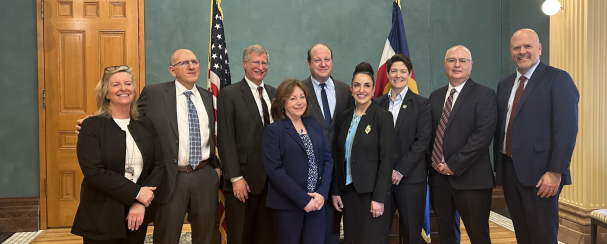
Becoming a State Judge
Students will be able to describe how judges become judges, what criteria qualifies them for the job and what attributes they must have to retain their positions.
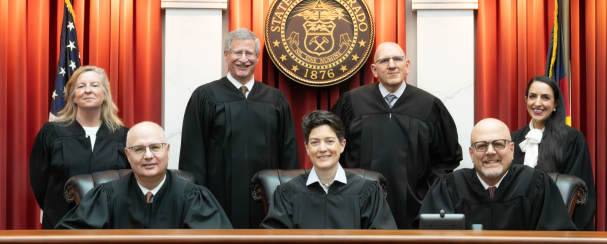
You Be the Judge
Students will be able to describe the appellate process and how a case is appealed, and to identify what it means to analyze court cases using the standards of fairness and objectivity and describe the process for considering relevant issues and facts presented in court cases.
Colorado Supreme Court Lesson Plans and Videos
Preparing students for a Supreme Court visit to your school or plan to bring them to Oral Arguments at the Supreme Court in Denver?
Check out these lessons and videos about how the Colorado courts operate, dive into appellate cases and learn what to expect at Oral Arguments. Or download all Supreme Court lesson plans.
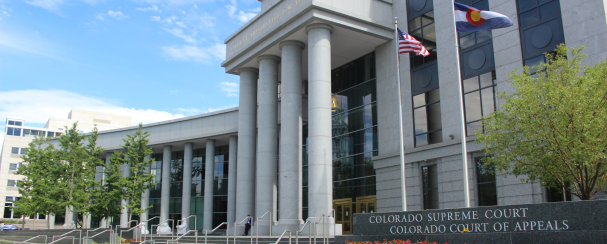
How the Colorado Courts Work
Supreme Court related activities
Students will be able to explain the structure of the Colorado judicial branch, the types of cases that different courts handle to deepen their understanding of state government and how cases are appealed.
Diving into Supreme Court Cases
Students will be able to identify the facts, arguments and legal issues in cases to be heard at Oral Arguments at their high school as part of Courts in the Community.
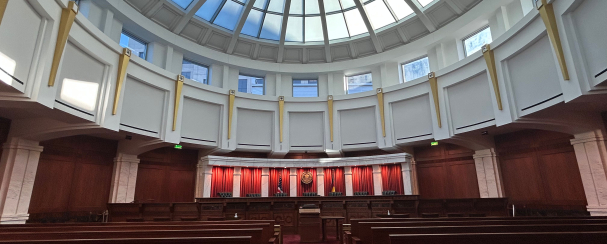
What to Expect at Supreme Court Oral Arguments
Students will be able to describe appropriate behavior in a courtroom in preparation for hearing Oral Arguments at their school, and to identify key elements of Oral Arguments in preparation for hearing Oral Arguments.
Colorado Court of Appeals Lesson Plans
Preparing students for a Court of Appeals visit to your school or plan to bring them to Oral Arguments at the Court of Appeals in Denver?
Check out these lessons and videos about how the Colorado courts work, dive into appellate cases and learn what to expect at Oral Arguments. Or download all Court of Appeals lesson plans.
How the Colorado Courts Work
Court of Appeals related activities
Students will be able to explain the structure of the Colorado judicial branch, the types of cases that different courts handle to deepen their understanding of state government and how cases are appealed.
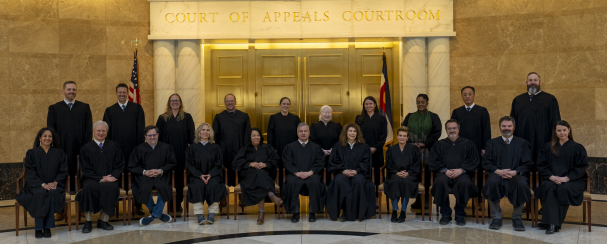
Diving into Court of Appeals Cases
Students will be able to identify the facts, arguments and legal issues in cases to be heard at Oral Arguments at their high school as part of Courts in the Community.
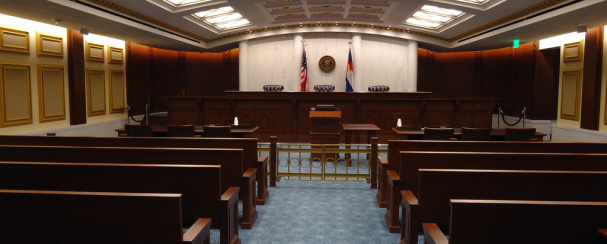
What to Expect at Court of Appeals Oral Arguments
Students will be able to describe appropriate behavior in a courtroom in preparation for hearing Oral Arguments at their school, and to identify key elements of Oral Arguments in preparation for hearing Oral Arguments.
Colorado Trial Courts Lesson Plans and Videos
Help your students learn more about the Colorado trial courts and jury system.

How the Colorado Trial Courts Work
Students will be able to explain the structure of the Colorado Judicial Branch, the role of the trial courts and the types of cases that different courts handle to deepen their understanding of state government.
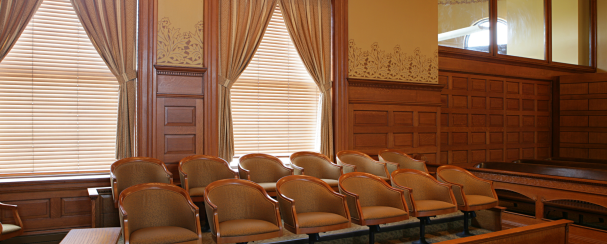
The Colorado Jury System
Students will be able to describe the jury selection process in Colorado, and the rights and responsibilities of individuals who are summoned to jury duty.